


Effective Sciatica Treatment in Kodambakkam: Expert Physiotherapy for Lasting Pain Relief


Reviewed by
Dr. Kanaga Lakshmi, MPT(Ortho)
Founder & Chief Physiotherapist,
Stability Physio Care 15+ Years of Clinical Experience in
Orthopedic & Musculoskeletal Physiotherapy
Sports Rehabilitation & Spine Care Specialist
Celebrity Sports Physio
Last Updated: NOV 2026
Introduction
Are you experiencing sharp pain that starts in your lower back and travels down your buttock, thigh, or leg? This could be sciatica, a condition caused by irritation or compression of the sciatic nerve. Sciatica can make everyday activities such as sitting, walking, driving, and even sleeping uncomfortable.
At Stability Physio Care Kodambakkam, our evidence-based physiotherapy approach focuses on identifying the root cause of your nerve pain rather than simply managing symptoms. Sciatica Treatment in Kodambakkam Through comprehensive clinical assessment, targeted rehabilitation, manual therapy, and movement correction, we help patients recover safely and return to normal activities without unnecessary surgery.
What Is Sciatica?
Sciatica refers to pain, tingling, numbness, or weakness caused by irritation of the sciatic nerve, the largest nerve in the body. Symptoms typically affect one side of the body and may extend from the lower back into the buttock, thigh, calf, or foot.
Common Causes of Sciatica
Following a detailed physiotherapy assessment, sciatica is often linked to one or more of the following conditions:
Lumbar Disc Herniation
A bulging or herniated disc in the lower spine can place pressure on nearby nerve roots, causing radiating leg pain.
Degenerative Disc Changes
Age-related wear and tear may reduce spinal space and contribute to nerve irritation.
Piriformis Syndrome
Tightness or overactivity of the piriformis muscle can compress the sciatic nerve within the buttock region.
Prolonged Sitting and Poor Posture
Long working hours, sedentary lifestyles, and inadequate ergonomic support can increase stress on the lumbar spine.
Signs and Symptoms of Sciatica
You may benefit from a professional physiotherapy evaluation if you experience:
Pain travelling from the lower back into the leg
Burning, shooting, or electric shock-like sensations
Tingling or numbness in the leg or foot
Weakness when walking or climbing stairs
Difficulty sitting for extended periods
Pain worsening during coughing, sneezing, or bending forward
How Physiotherapy Helps Sciatica Recovery
At Stability Physio Care, treatment is individualized based on the findings of a comprehensive assessment. Our goal is to reduce nerve irritation, restore movement, and prevent recurrence.
Detailed Clinical Evaluation
We assess spinal mobility, nerve tension, muscle strength, posture, movement patterns, and functional limitations to determine the underlying cause of symptoms.
Neural Mobilization Techniques
Gentle nerve gliding exercises help improve nerve mobility and reduce irritation.
Spine & Joint Manual Therapy
Hands-on physiotherapy techniques help improve joint mechanics, reduce stiffness, and relieve pressure on affected structures.
Core Stabilization Training
Strengthening the deep abdominal and spinal muscles helps support the lower back and reduce future episodes of pain.
Posture & Ergonomic Correction
Patients receive personalized guidance on sitting posture, workstation setup, lifting techniques, and sleeping positions.
Progressive Rehabilitation Program
A structured exercise plan helps restore flexibility, strength, endurance, and confidence in daily movement.
Why Patients Choose Stability Physio Care
✅ Experienced Orthopedic & Musculoskeletal Physiotherapy Team
✅ Individualized One-to-One Assessment
✅ Evidence-Based Rehabilitation Approach
✅ Focus on Root Cause Identification
✅ Non-Surgical Treatment Strategies
✅ Personalized Exercise Programs
✅ Patient Education for Long-Term Recovery
✅ Modern Physiotherapy and Sports Rehabilitation Facilities
Our clinical philosophy emphasizes treating the cause of dysfunction while empowering patients to actively participate in their recovery journey.
Physiotherapist-Recommended Exercises
Note: Exercises should be performed only after a professional assessment to ensure they are appropriate for your condition.

Sciatic Nerve Glides
Gentle movements designed to improve nerve mobility and reduce sensitivity.
McKenzie Lumbar Extensions
Extension-based movements may help some individuals with disc-related symptoms.

Piriformis Stretching
Improves flexibility in the deep hip muscles and may reduce sciatic nerve compression.

Core Activation Exercises
Targets deep stabilizing muscles that support the lumbar spine.
When Should You Seek Professional Help?
Consult a physiotherapist if:
Leg pain persists despite rest
Symptoms extend below the knee
Tingling or numbness is becoming more frequent
Walking, sitting, or standing becomes difficult
Symptoms interfere with work or daily activities
You experience recurring episodes of sciatica
🚨 Red Flags: Seek Immediate Medical Attention
While most cases of sciatica respond well to conservative treatment and physiotherapy, certain symptoms may indicate a more serious condition requiring urgent medical evaluation.
Seek immediate medical attention if you experience:
Loss of Bladder or Bowel Control
Difficulty controlling urination or bowel movements may indicate compression of important spinal nerves and requires urgent medical assessment.
Numbness Around the Groin or Saddle Area
Loss of sensation around the inner thighs, buttocks, or genital region should never be ignored and requires immediate evaluation.
Progressive Leg Weakness
Increasing weakness in the leg, ankle, or foot, especially difficulty lifting the foot (foot drop), may suggest significant nerve involvement.
Severe Trauma or Injury
Back pain or leg pain following a fall, road traffic accident, or other significant injury should be assessed promptly.
Unexplained Weight Loss
Persistent back pain accompanied by unexplained weight loss may require further medical investigation.
Fever Accompanied by Back Pain
Back pain associated with fever, chills, or feeling generally unwell may indicate an underlying medical condition requiring urgent medical review.
History of Cancer
Individuals with a current or previous history of cancer who develop new-onset back pain should consult a medical professional promptly.
Severe Night Pain
Pain that consistently wakes you from sleep or becomes significantly worse at night warrants further medical evaluation.
Rapidly Worsening Symptoms
If numbness, weakness, or pain continues to worsen despite treatment, additional medical assessment may be necessary.
Important: Physiotherapy is highly effective for many causes of sciatica. However, red-flag symptoms require assessment by an appropriate medical specialist before beginning or continuing conservative treatment.
Prevention Tips for Office Workers
Maintain Proper Sitting Posture
Keep your lower back supported and your feet flat on the floor.
Take Movement Breaks
Stand, stretch, or walk briefly every 20 minutes.
Use Proper Lifting Techniques
Lift using your hips and knees rather than bending from the waist.
Stay Physically Active
Regular physical activity helps maintain spinal health and overall mobility.
Areas We Serve
Our physiotherapy services are available for patients across:
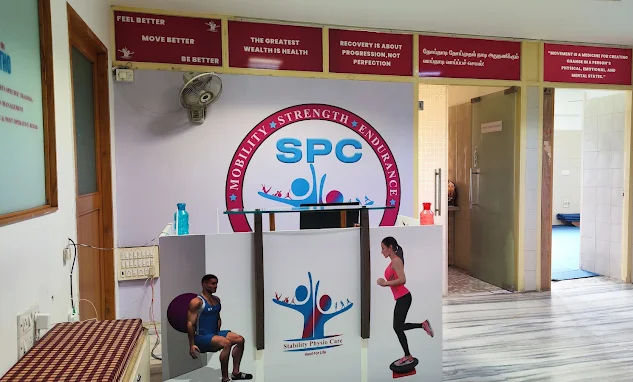
Kodambakkam
Vadapalani
West Mambalam
Ashok Nagar
Trustpuram
Choolaimedu
Internal Links
Our Kodambakkam Branch : https://www.stabilityphysiocares.com/kodambakkam-physio-care
Physiotherapy Services : https://www.stabilityphysiocares.com/services
Back Pain Treatmen: https://www.stabilityphysiocares.com/post/back-pain-treatment-in-kodambakkam-causes-symptoms-3-physiotherapist-recommended-exercises-sta
FAQs
Q:How many physiotherapy sessions are needed for sciatica?
A:Recovery varies depending on the severity and cause of the condition. Many patients notice improvement after a structured course of physiotherapy combined with prescribed home exercises.
Q:Can sciatica improve without surgery?
A:Many individuals with sciatica benefit from conservative management including physiotherapy, exercise rehabilitation, activity modification, and lifestyle changes.
Q:Is walking good for sciatica?
A:In many cases, gentle walking can help maintain mobility and circulation. However, activity levels should be guided by a healthcare professional.
Q:Can physiotherapy prevent recurrence?
A:Yes. A personalized strengthening and movement program can reduce risk factors and support long-term spinal health.
Q:Should I take complete bed rest?
A:Extended bed rest is generally discouraged as it may contribute to stiffness and weakness. Guided movement is often recommended.
Disclaimer
This article is intended for educational purposes only and should not replace professional medical advice, diagnosis, or treatment. Individual results may vary based on clinical condition and adherence to prescribed rehabilitation programs.
Our Commitment to Safe Physiotherapy Care
At Stability Physio Care, every patient undergoes a detailed assessment before treatment begins. If clinical findings suggest a condition requiring medical investigation, we will recommend referral to the appropriate healthcare specialist to ensure safe and effective care.
Book Your Sciatica Assessment Today
Don't let sciatic nerve pain limit your work, sleep, or daily activities.
At Stability Physio Care Kodambakkam, we provide comprehensive physiotherapy assessment and evidence-based rehabilitation plans tailored to your specific condition. Our goal is to help you move confidently, reduce pain, and return to the activities you enjoy.
📞 Call: 98845 18846
📍 Location: Stability Physio Care, Kodambakkam
📅 Same-Day Appointments Available

A very informative and well-structured article on sciatica treatment. It clearly explains the causes, symptoms, assessment and role of physiotherapy in managing sciatica. The inclusion of therapeutic exercises, preventive measures and warning signs makes it useful for patients. Overall, a helpful resource for patient education.
Very helpful information for anyone looking for sciatica treatment in Kodambakkam. The physiotherapy-based approach explained here is practical and evidence-based.
Very helpful information for anyone looking for sciatica treatment in Kodambakkam. The physiotherapy-based approach explained here is practical and evidence-based.
A comprehensive guide on sciatica management. The focus on assessment, pain relief, and long-term recovery is highly appreciated.
Excellent article! The detailed explanation of sciatica, its causes, and the role of physiotherapy in long-term recovery makes this a valuable resource for patients. The emphasis on proper assessment and personalized treatment is particularly important for achieving lasting pain relief. Highly informative and professional content. 👍